Is PEX Quieter Than Copper? What Mission Viejo Homeowners Can Expect About Pipe Noise After New Supply Lines

Banging, ticking and humming pipes are common in older Mission Viejo homes. Why rigid copper carries sound so well, what flexible PEX changes, which noises piping…
Many Mission Viejo homes from the 1970s and 1980s have copper supply lines, and plenty of their owners know the sounds by heart: a bang when the washing machine valve snaps shut, a ticking in the ceiling when the shower warms up, a hum somewhere in the wall at night. When the subject of replacing those pipes comes up, a common question follows: is PEX quieter than copper?
Why copper carries sound so well
Copper is rigid and dense. It transmits vibration and sound along its length and into the framing it is strapped to. A sudden stop in water flow sends a pressure wave through the line, and rigid pipe tends to amplify it. Copper also expands as hot water flows through it, and where it rubs against wood or metal straps, that expansion turns into ticks and creaks.
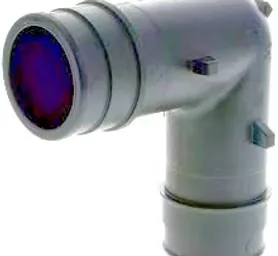
What PEX changes
PEX is flexible plastic tubing. That flexibility changes a few things:
- Water hammer is softened. PEX can flex slightly when a valve closes quickly, which absorbs some of the shock that would bang through rigid pipe.
- Less transmitted sound. Plastic does not carry sound along the pipe the way metal does, so the rush of running water is usually less noticeable in nearby rooms.
- Expansion noise is different. PEX expands with heat too, but it tends to move more quietly. Proper support and room for movement still matter.
Many homeowners say their homes feel noticeably quieter after a switch from rigid copper to PEX, but results depend on how the piping is supported and on the other causes of noise in the house.
Noises that piping material alone will not fix
- High static pressure. If pressure is above the typical residential range, any piping will be noisier. A worn pressure-reducing valve is a common culprit.
- Fast-closing valves. Washing machines, dishwashers and ice makers shut off quickly. Water hammer arrestors near those valves help no matter the pipe material.
- Humming regulators. A buzzing or humming sound near where water enters the house often comes from a pressure-reducing valve, not the pipes.
- Toilet fill valves and worn fixtures. A whistle when a toilet refills is usually a fixture issue.
- Drain noise. Water rushing down plastic drain lines is a separate system from supply piping.
Figuring out where your noise comes from
- Note when the noise happens: when a valve closes, when hot water runs, or at random.
- Check static pressure with a gauge at a hose bib.
- Listen near the pressure regulator and the water heater.
- Note whether noise is in one area or throughout the house.
That information helps separate piping noise from pressure or fixture issues. If your copper is also aging, with pinholes or green crust appearing, quieter operation becomes one more factor to weigh when comparing options.
Related reading
On this site, see plumbing in 1970s homes and PEX versus CPVC. Neighbors can visit Laguna Hills, Lake Forest and Rancho Santa Margarita, or browse every city at repipeinc.com.
Tired of noisy pipes?
Request a free quote and tell us about the sounds you hear and when they happen. Get my free quote. Our AI system alerts a technician instantly, so you get a fast callback.
Repipe OC, 23821 Hillhurst Drive, Laguna Niguel, CA 92677, (949) 524-2362, CSLB #1087885 C-36.
Repipe OC near you
Not in Mission Viejo? The same crew serves nearby cities. See the Repipe OC hub (repipeinc.com), or jump to a neighboring city:
 Written by Repipe OC · CSLB #1087885 C-36 · 23821 Hillhurst Drive, Laguna Niguel, CA 92677 · (949) 524-2362